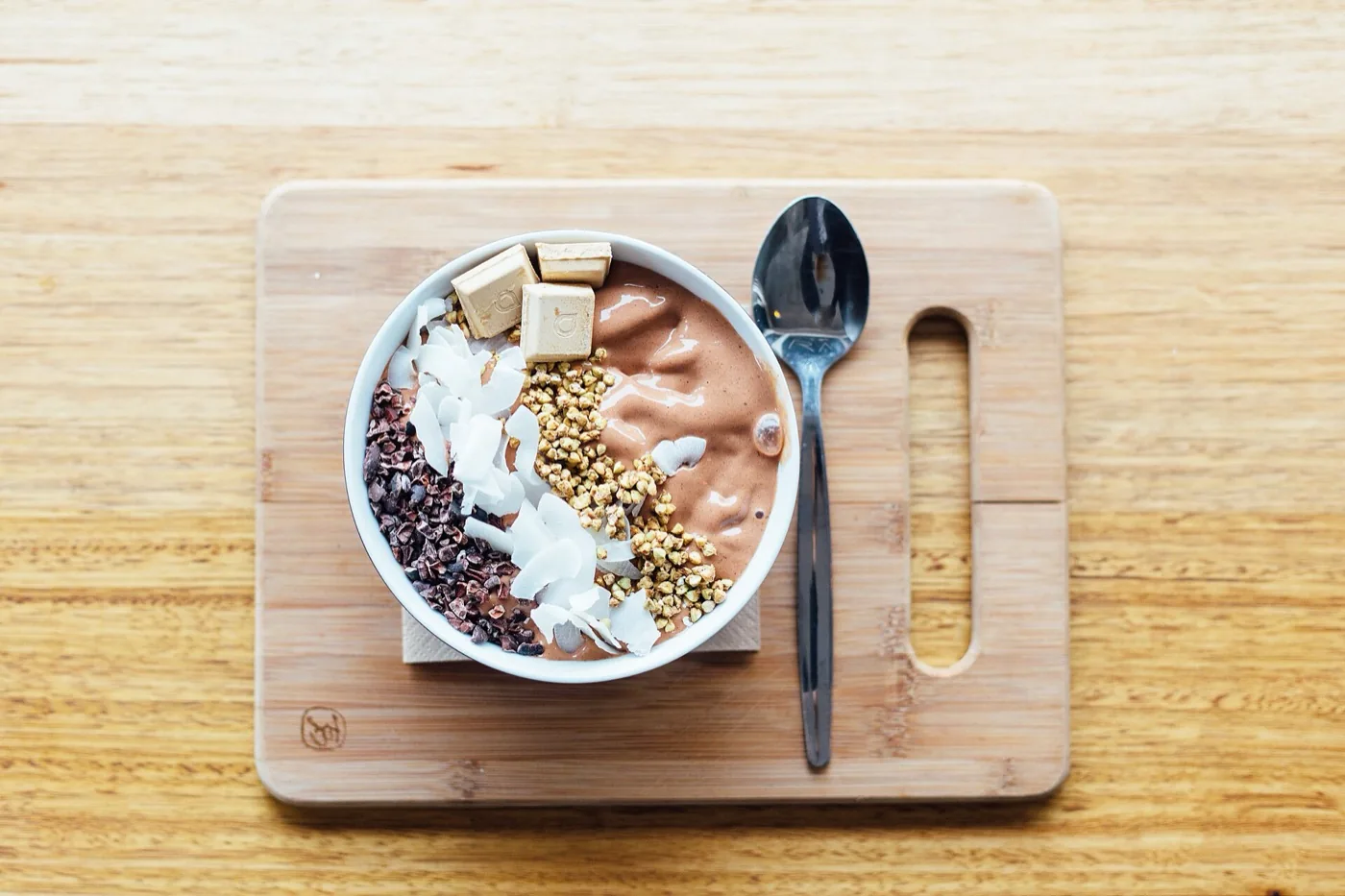
One of the most common questions patients ask in the days after facial surgery is a surprisingly practical one: what can I eat? It is easy to think of diet as a minor detail compared with the operation itself, but in reality what you eat, and how you eat it: has a direct and measurable effect on your comfort, your swelling, and how cleanly you heal. A soft-food diet is not an arbitrary restriction; it is a deliberate part of the recovery plan.
Key takeaways
- Chewing places repeated mechanical load on exactly the tissues that are trying to heal, a soft diet removes that load in the critical early window.
- It reduces pain and swelling, lowers the risk of bleeding, and protects sutures, incisions and (after jaw surgery) healing bone.
- The strictness and duration depend on the procedure: orthognathic (double jaw) surgery requires the most structured diet, a facelift or implants much less.
- A soft diet must still be nutritionally complete: protein and adequate calories are what actually drive wound healing.
- Progression is staged, liquids first, then blended and soft foods, then normal foods: guided by your surgeon, not the calendar alone.
Why Chewing Is the Problem
Every time you bite and chew, the muscles of the face and jaw contract, the skin and deeper tissues move, and pressure is transmitted through the very area that has just been operated on. In the first days and weeks after surgery, that movement works against healing in several specific ways:
- It strains sutures and incisions. After a facelift, the deep supporting sutures sit along the jawline and in front of the ear, precisely where chewing force is concentrated. Repeated tension can increase discomfort and, in rare cases, affect the quality of the scar.
- It increases swelling and bruising. Active muscle movement raises local blood flow and pressure, which can worsen oedema and prolong the puffy phase of recovery.
- It raises the risk of bleeding. In the first 24-72 hours, vigorous jaw movement can disturb the small vessels that have just begun to seal, particularly after intraoral (inside-the-mouth) procedures.
- It loads healing bone. After orthognathic surgery the jaws have been cut and fixed with titanium plates and screws; the bone needs weeks of relative rest to knit, and hard chewing in that period is genuinely counter-productive.
A soft diet simply removes that mechanical stress while everything underneath settles and seals.
Which Procedures Need It Most
Not every facial procedure carries the same dietary restriction. As a general guide:
- Orthognathic (double jaw) surgery & genioplasty: the most structured diet of all. Because the result depends on bone healing, patients typically follow a liquid or fully blended diet at first, then soft foods, with firm foods reintroduced only on the surgeon's confirmation (often around six weeks).
- Deep plane facelift & neck lift: a soft diet for roughly the first one to two weeks protects the jawline sutures and limits swelling; most patients return to normal eating comfortably after that.
- Facial implants: when implants are placed through the mouth (chin, jaw), intraoral incisions need protecting, so soft foods and careful oral hygiene are important for the first one to two weeks.
- Lip lift, rhinoplasty & blepharoplasty: restrictions are milder, but soft, easy-to-eat foods and avoiding wide mouth-opening still improve early comfort.
What Can I Eat After Facial Surgery? The Diet, Stage by Stage
The short answer: smooth liquids in the first days, then blended and pureed foods, then soft solids that need minimal chewing, and finally a gradual return to normal eating, with hard and crunchy items last of all. The pace varies by procedure, and after jaw surgery the final step waits for your surgeon to confirm bone healing.
| Stage | When | What you eat |
|---|---|---|
| 1 · Liquids | First days | Blended soups (not too hot), protein shakes, milk, smoothies, strained broth, yoghurt drinks |
| 2 · Blended & pureed | As advised for your procedure | Pureed vegetables, mashed potato, blended lentils and beans, scrambled or soft-boiled eggs, porridge, hummus, well-blended pasta |
| 3 · Soft solids | As chewing becomes comfortable | Soft fish, slow-cooked or minced meat in sauce, soft pasta, ripe banana and avocado, cooked soft vegetables, cottage cheese, risotto |
| 4 · Return to normal | Gradually; after jaw surgery only once your surgeon confirms bone healing | Firmer and chewier foods reintroduced step by step, hard and crunchy items last of all |
Your own timeline is procedure-specific and is set out in the recovery plan you receive with your quotation. The structure below is consistent across procedures:
Stage 1: Liquids (first days)
Smooth, nourishing liquids that require no chewing: blended soups (not too hot), protein shakes, milk, smoothies, strained broth and yoghurt drinks. The priority here is hydration and gentle nutrition.
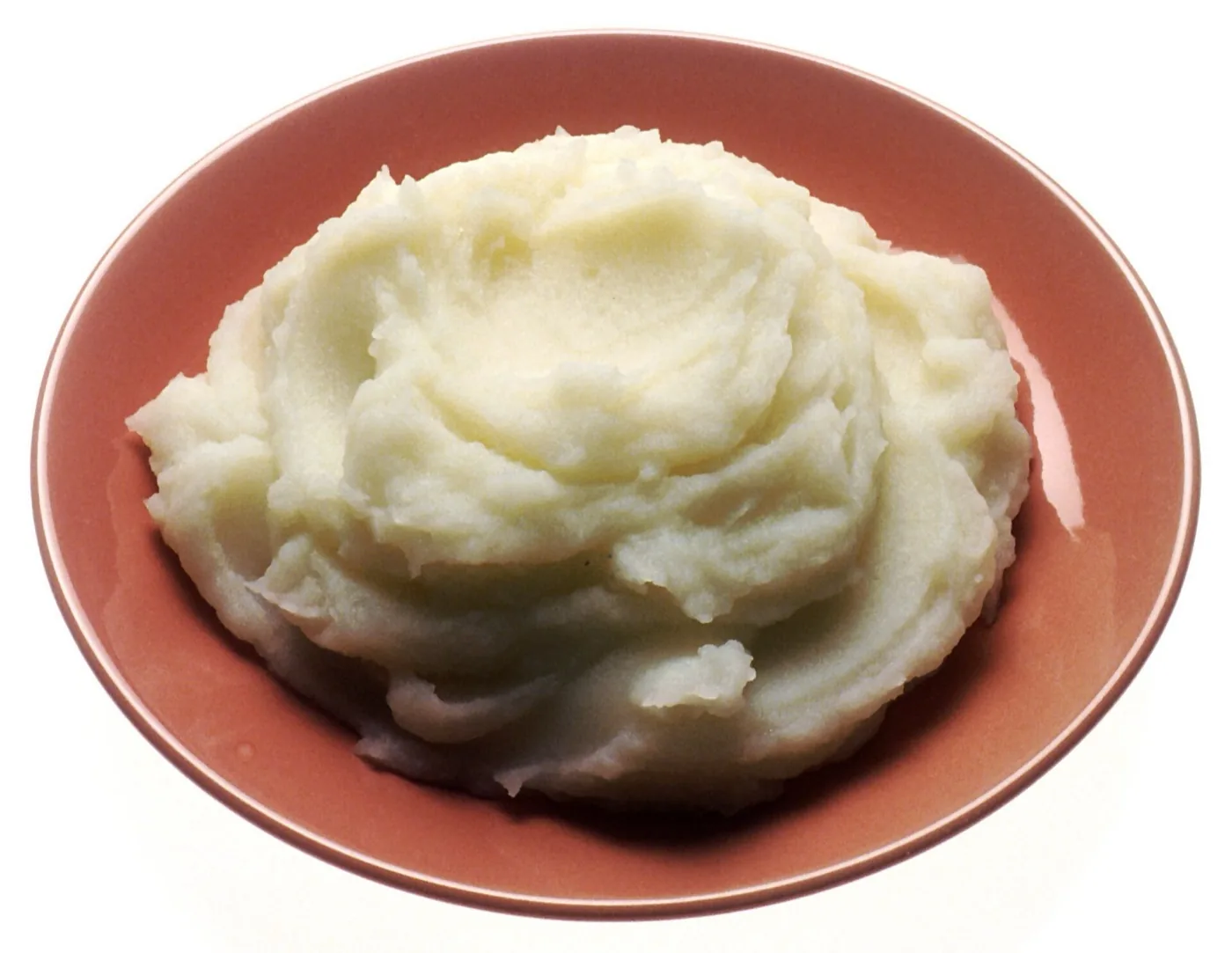
Stage 2: Blended & pureed
Anything that can be mashed with a fork or blended to a smooth consistency: pureed vegetables, mashed potato, blended lentils and beans, scrambled or soft-boiled eggs, porridge, hummus and well-blended pasta.
Stage 3: Soft solids
Foods that need minimal chewing and break apart easily: soft fish, slow-cooked or minced meat in sauce, soft pasta, ripe banana and avocado, cooked soft vegetables, cottage cheese and risotto.
Stage 4: Return to normal
Firmer and chewier foods are reintroduced gradually, last of all the hard and crunchy items: and, after jaw surgery, only once your surgeon confirms the bone has healed.
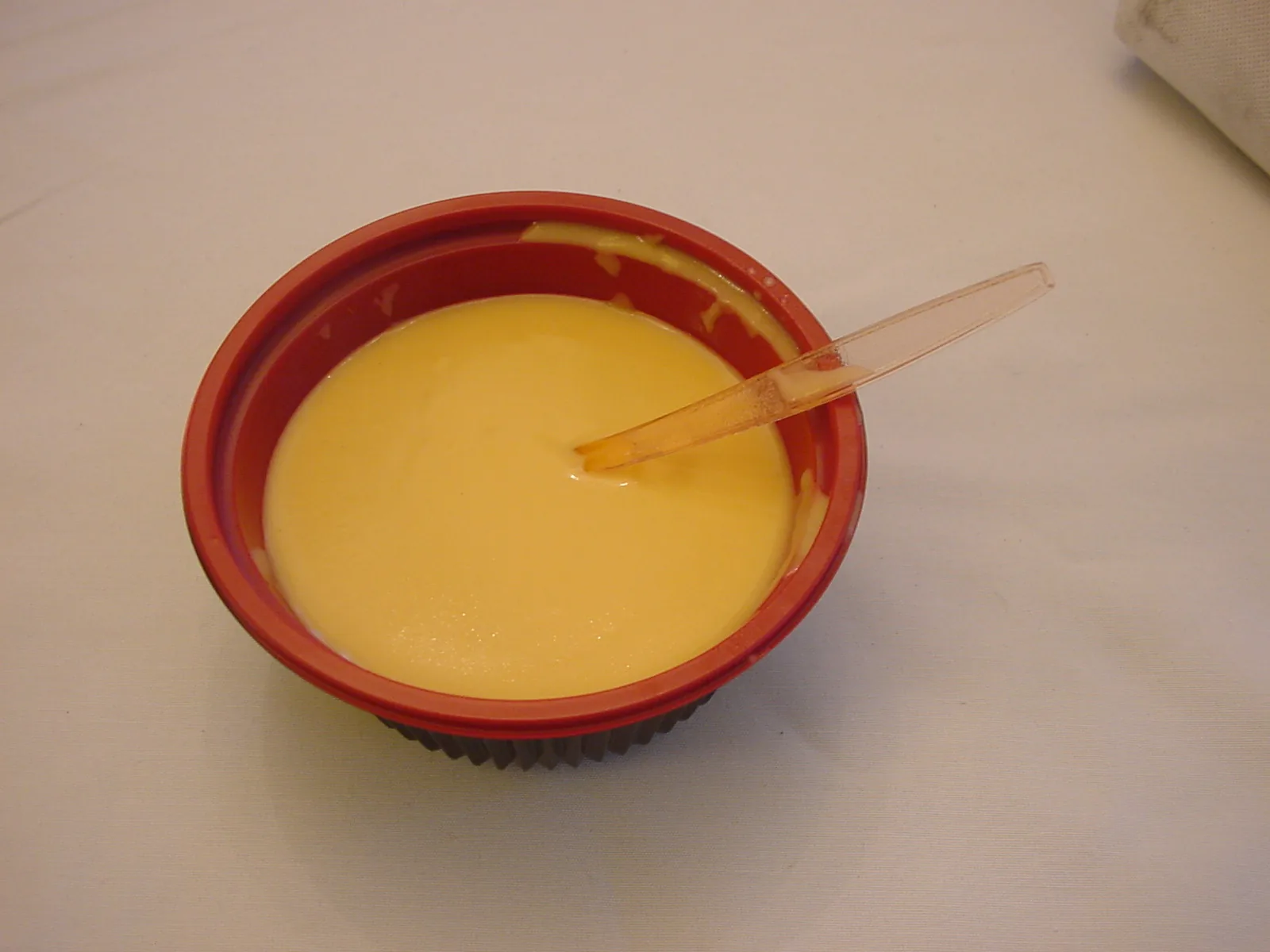
What to Eat, and What to Avoid
A soft diet is only beneficial if it remains nutritionally complete. Wound healing is a protein-hungry process, and under-eating in the recovery period is one of the most common, avoidable reasons that healing slows.
Soft, healing-friendly foods
- Greek yoghurt, cottage cheese and milk (protein and calcium)
- Eggs: scrambled, poached or soft-boiled
- Blended soups and stews fortified with lentils, beans or protein powder
- Smoothies with yoghurt, banana, nut butter and protein
- Soft fish, minced or slow-cooked meats in sauce, tofu
- Mashed avocado, banana, sweet potato and well-cooked vegetables
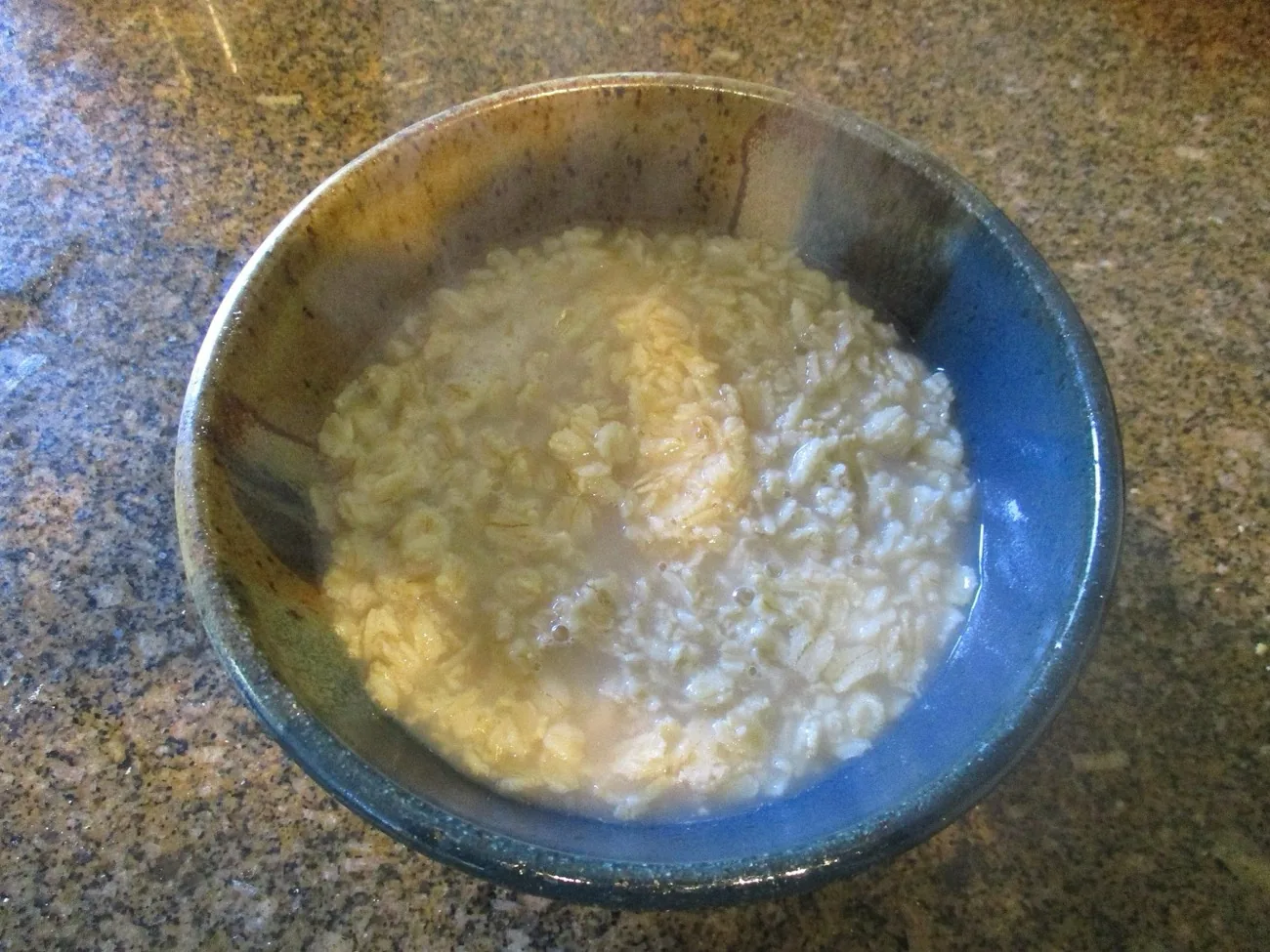
- Oatmeal, porridge and soft wholegrains
Best avoided while you heal
- Hard or crunchy foods: nuts, crusty bread, crisps, raw carrots and apples
- Chewy or sticky foods: tough meat, chewing gum, toffee, bagels
- Very hot or heavily spiced dishes, which can aggravate swelling
- Alcohol, which thins the blood and worsens swelling, and excess salt, which encourages fluid retention
- Straws in the early days (the suction can disturb clots), unless your surgeon says otherwise
Nutrition That Actually Speeds Healing
The goal of recovery eating is not merely to avoid harm but to actively support repair. A few principles make a real difference:
- Protein first. Aim to include a protein source at every meal and snack, it provides the building blocks for new tissue. Protein shakes are a simple way to close any gap when appetite is low.
- Stay well hydrated. Fluids support circulation, reduce constipation from pain medication, and help flush the by-products of healing.
- Vitamins and minerals. Vitamin C, vitamin A, zinc and iron all play roles in wound healing; a varied soft diet usually supplies them, and your surgeon may suggest a supplement.
- Small, frequent meals. When opening the mouth is uncomfortable, several small nourishing meals are easier, and more effective, than three large ones.
- Don't skip calories. Healing increases your energy needs; eating too little slows recovery even if the diet is "clean".
Think of the soft-food phase not as a limitation, but as part of the treatment, a few mindful weeks of eating that protect the work that has just been done and let your result settle as intended.
If you are planning facial surgery in Istanbul, Dr. Cömert's team provides every patient with a clear, procedure-specific recovery and nutrition plan, along with practical guidance for the days you spend recovering in the city. Eating well during this period is one of the simplest and most effective things you can do to support a smooth, comfortable result.
Still at the planning stage? Dr. Cömert offers a free online assessment: you send photographs and a short medical history, he reviews them personally, and you receive an answer within 1 to 3 days, with a clear, procedure-specific recovery and nutrition plan built into every treatment proposal.