For many international patients, travelling to Istanbul for surgery is also a chance to spend a few days in one of the most extraordinary cities on earth. Istanbul has stood at the crossroads of empires for more than fifteen centuries, capital of Byzantium, of the Roman East, and of the Ottoman world, and its skyline of domes and minarets is the result of that layered history. With a little planning, the gentle days of your recovery can include some of the most rewarding sightseeing anywhere, enjoyed at an easy and comfortable pace.
The Historic Peninsula (Sultanahmet)
The old city, the Historic Peninsula, known to visitors as Sultanahmet: concentrates an astonishing number of world-famous landmarks within a short, flat walk of one another. This makes it ideal for low-exertion sightseeing: you can see a great deal without travelling far.
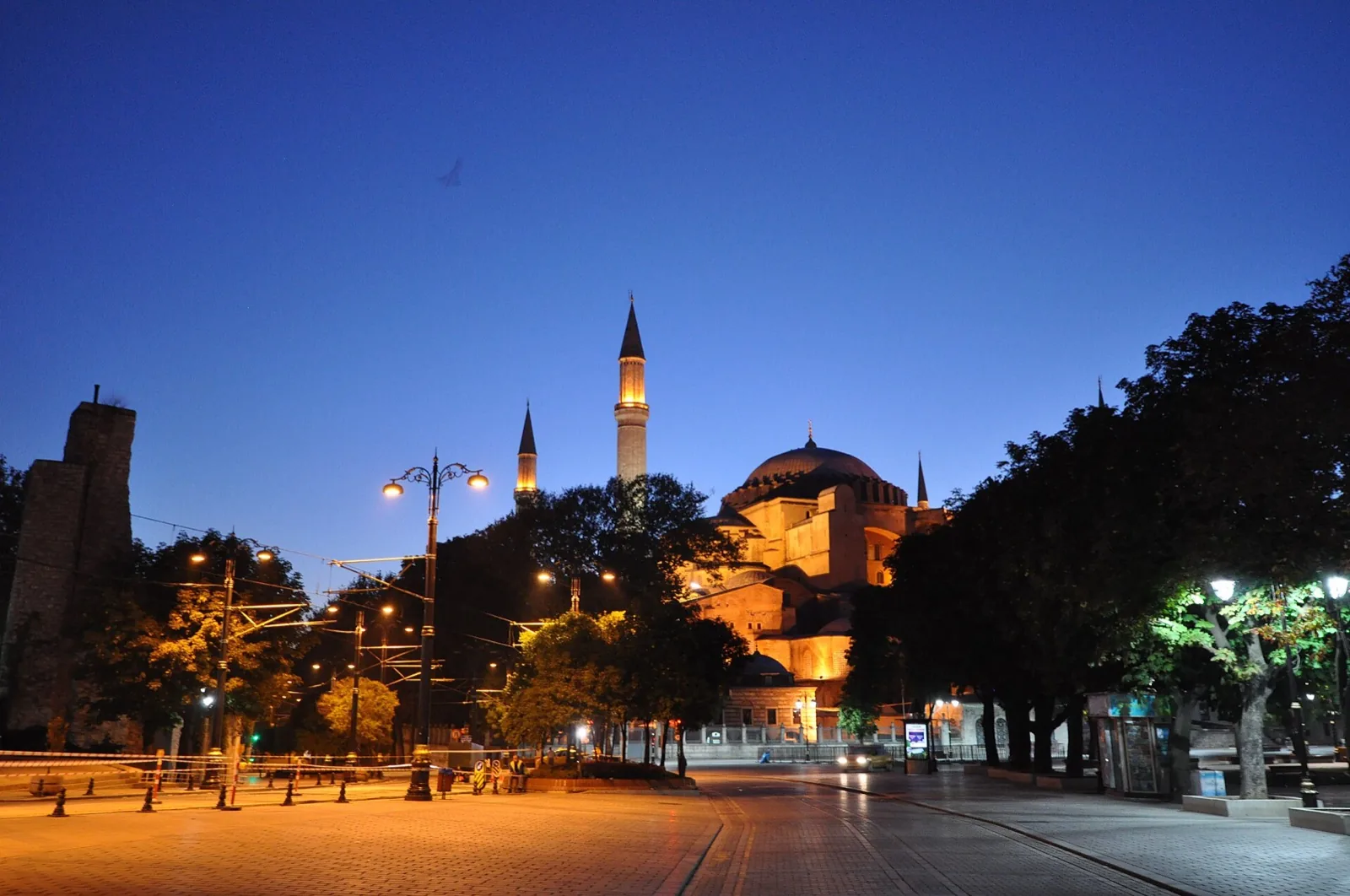
Hagia Sophia
Perhaps the single most significant building in the city. Completed in 537 AD as the great cathedral of the Byzantine Empire, later an imperial Ottoman mosque, its vast central dome seems to float on light, an engineering marvel that influenced architecture for a thousand years. The scale is best appreciated slowly, with frequent pauses to look up.
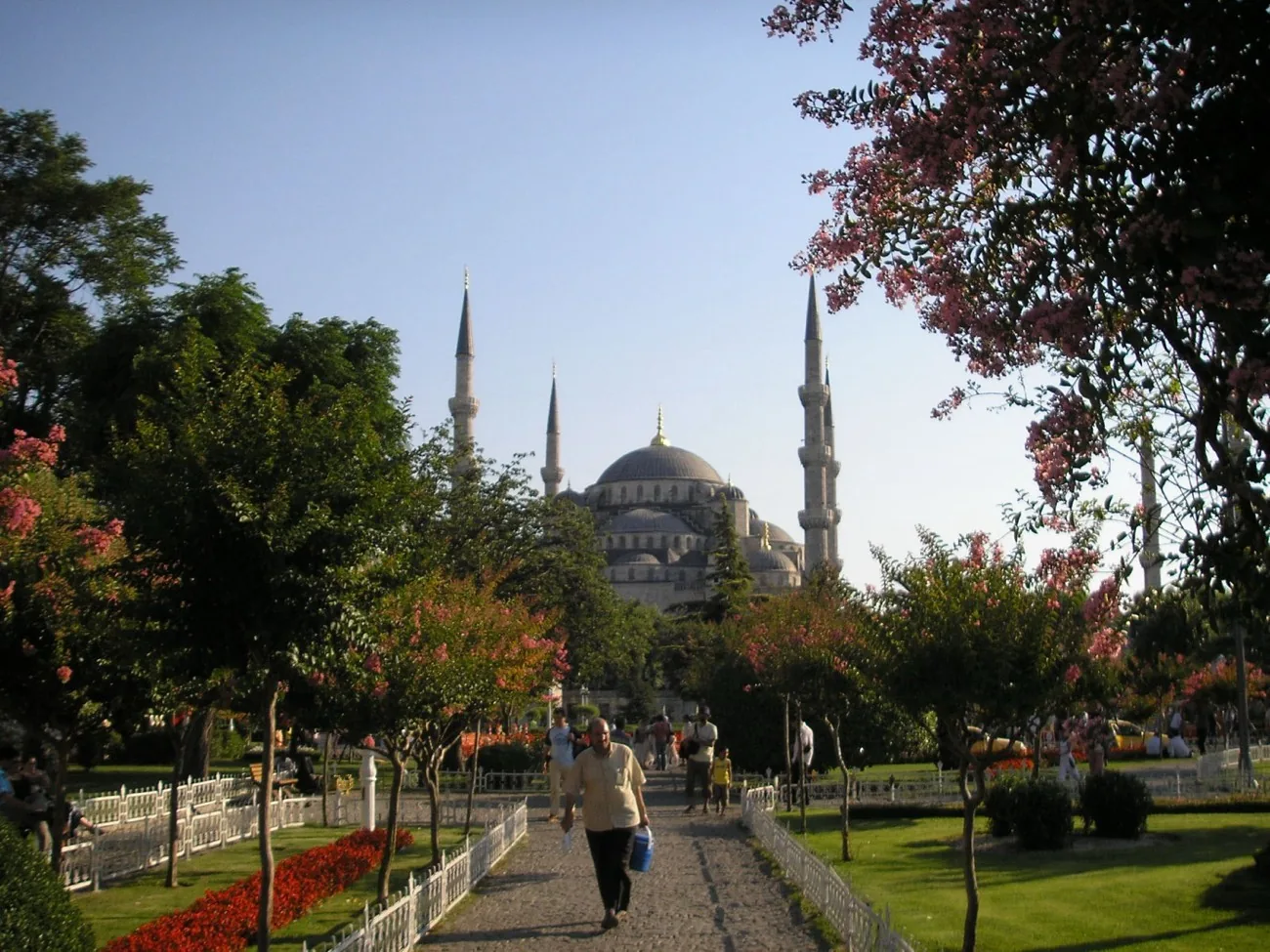
The Blue Mosque (Sultan Ahmed Mosque)
Directly facing Hagia Sophia across a peaceful garden, the early-seventeenth-century Blue Mosque takes its nickname from the tens of thousands of hand-painted İznik tiles lining its interior. Its six minarets and cascade of domes are among the defining images of Istanbul. As a working mosque, modest dress is required and visiting hours pause for prayers.
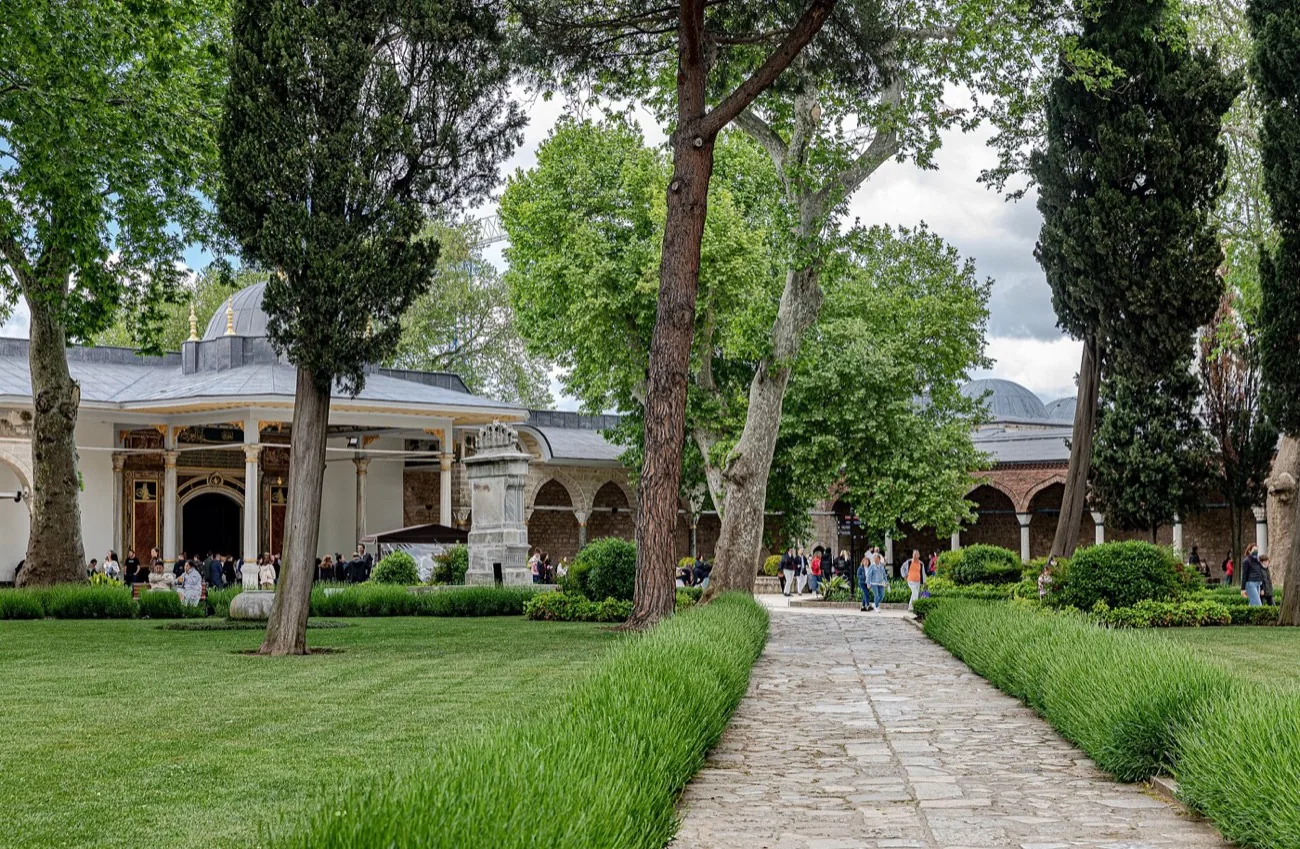
Topkapı Palace
Home to the Ottoman sultans for nearly four hundred years, Topkapı is a series of tranquil courtyards, pavilions and gardens overlooking the meeting point of the Bosphorus, the Golden Horn and the Sea of Marmara. The grounds reward an unhurried stroll, and the views from the terraces are a highlight in themselves, a restful place to sit.
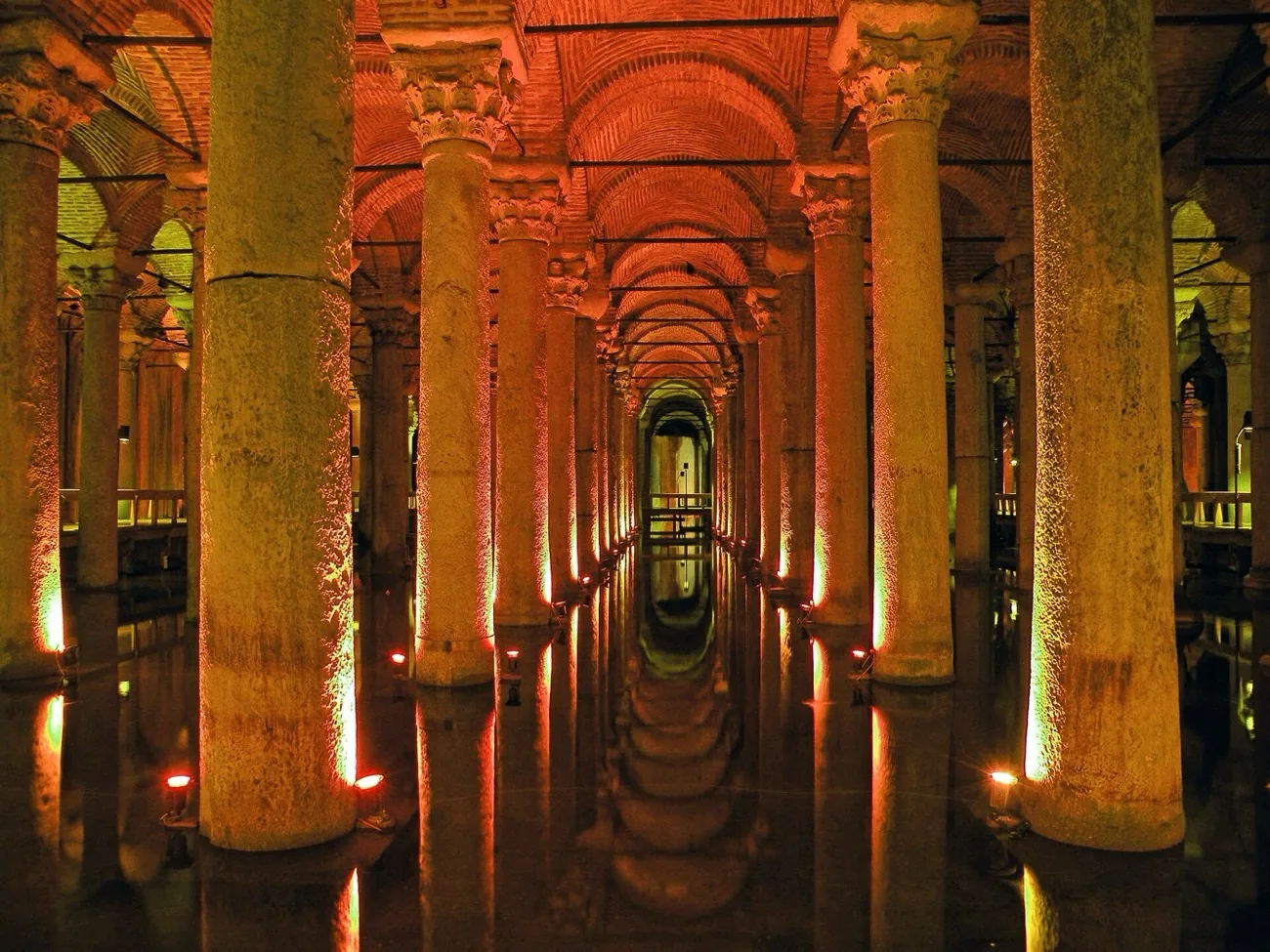
The Basilica Cistern
Just steps from Hagia Sophia and entirely underground, this sixth-century Byzantine water cistern is a cool, dim forest of 336 marble columns reflected in still water, including the famous carved Medusa heads at its base. Cool, flat and atmospheric, it is one of the most comfortable and memorable sights in the old city.
The Hippodrome & Grand Bazaar
The open square of the ancient Hippodrome, once a Roman chariot-racing arena, still holds its Egyptian obelisk and Serpent Column and sits moments from the main mosques. A short walk away, the Grand Bazaar, one of the oldest and largest covered markets in the world, with thousands of shops beneath painted vaults: is wonderful to wander, though best visited briefly and outside peak hours if you are recovering and prefer to avoid crowds.
Süleymaniye Mosque & the Spice Bazaar
Crowning one of the city's seven hills, the Süleymaniye Mosque is the masterpiece of the great Ottoman architect Sinan, and its terrace offers one of the finest panoramas over the Golden Horn. Downhill toward the water, the fragrant Spice Bazaar is a feast for the senses and an easy, characterful stop.
Beyond the Old City
A Bosphorus Cruise
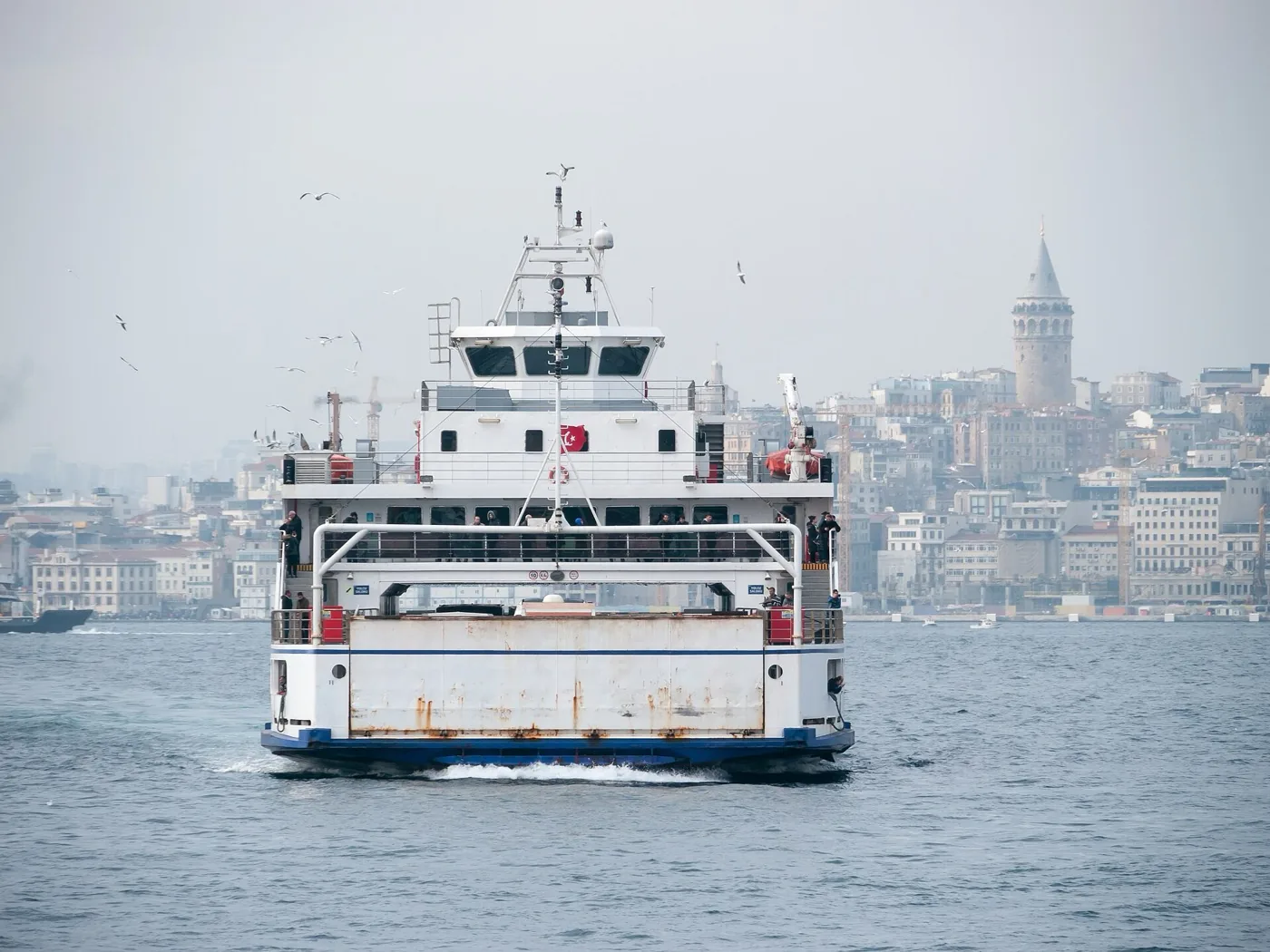
If you do only one thing, consider a Bosphorus cruise, the gentlest sightseeing of all. From the comfort of your seat you glide between two continents, passing Ottoman palaces, waterfront mansions, fortresses and bridges, with the whole skyline unfolding around you. It is the perfect outing for a quieter recovery day.
Galata Tower & Dolmabahçe Palace
Across the Golden Horn, the medieval Galata Tower gives a sweeping 360-degree view over the historic peninsula (reached by lift). Further along the European shore, the nineteenth-century Dolmabahçe Palace trades Ottoman courtyards for European grandeur: crystal staircases, vast chandeliers and manicured waterfront gardens.
Viewpoints to Simply Sit and Take It In
- Pierre Loti Hill: reached by a short cable car, with a classic café view over the Golden Horn.
- Çamlıca Hill: the highest point in the city, on the Asian side, with gardens and a panorama of the whole skyline.
- Ortaköy: a pretty waterside square beneath the Bosphorus Bridge, lovely for a slow coffee.
The beauty of Istanbul is that so much of it can be enjoyed gently: from a bench in a palace garden, the deck of a boat, or a café terrace above the water. You do not need to rush to be moved by it.
Practical Tips for a Comfortable Visit
- Pace yourself. Plan one main sight per outing rather than a packed itinerary, and build in time to rest.
- Protect your skin. After facial surgery the skin is especially sensitive to sun: wear a wide-brimmed hat, sunglasses and high-factor sunscreen, and favour shade.
- Travel easily. Licensed taxis and ride apps make door-to-door travel simple; many sights in Sultanahmet are within a short, flat walk of one another.
- Stay hydrated and carry water, particularly in the warmer months.
- Mind your diet. If you are in the soft-food phase of recovery, Istanbul's cuisine is rich in gentle options: soups, yoghurt-based dishes, soft cheeses and slow-cooked stews.
- Let the clinic help. Dr. Cömert's team can advise on which outings suit your stage of recovery and help arrange comfortable transfers.
Combining world-class surgical care with a few unhurried days among some of the most beautiful historic sights on earth is one of the quiet pleasures of choosing Istanbul. Recover well, take it slowly, and let the city reveal itself at your own pace.